Meet Tally,

Intelligence at work

OpenSeam's AI production assistant is called Tally. It continuously monitors your factory floor, discovers constraints as they emerge, and routes actionable tasks to the right stakeholders at the right time.

Built specifically for garment manufacturing, Tally understands production dynamics and ensures critical issues get attention before they cascade into larger problems.

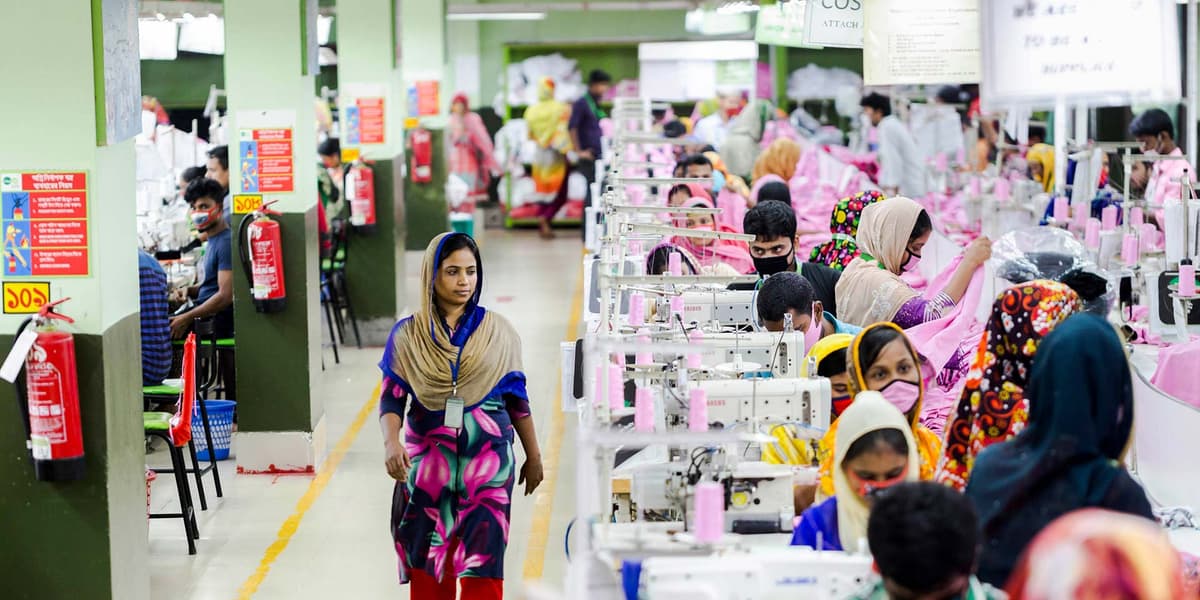
Supervisor walking past production line

How Tally changes production

From reactive to intelligent

Traditional methods:

  • Issues discovered after they impact output
  • Supervisors firefighting all shift
  • Constraints identified only through effects
  • Management only has delayed information

With Tally:

  • Constraints discovered as they form
  • Stakeholders notified before impact cascades
  • Interventions can be targeted at root causes
  • Management acts on real-time intelligence

From poor flagging to smart flagging

Traditional methods:

  • Everyone gets notified about everything, or
  • Nobody gets notified about anything, or
  • Manual coordination determines who should know

With Tally:

  • Floor supervisors receive alerts for their assigned lines
  • Mechanics get machine-specific notifications
  • Engineers see pattern-based strategic insights

Each stakeholder receives relevant, actionable information

What Tally does

Monitor production, non-stop.

Tally analyzes real-time data from each seambit sensor, at each sewing station, across your production floor. It tracks performance patterns, identifies developing constraints, and monitors production health continuously—never missing a moment, never overlooking a station.

Discover constraints, as they form.

Using Theory of Constraints principles and garment manufacturing domain understanding, Tally identifies which stations are actually limiting line throughput, right now. Not guessing, not sampling—it discovers constraints through continuous analysis of:

  • Pace variations
  • Proficiency levels
  • Stoppage patterns
  • Stamina indicators
  • Machine runtime

Assign tasks and route flags.

When Tally discovers a constraint or detects an issue requiring attention, it doesn't just log it—it acts:

  1. Identifies the issue - What's happening and where.
  2. Determines stakeholder - Who should address this.
  3. Creates the task - Specific action needed with relevant context.
  4. Sends notification - Right persons gets alerted, asap.
  5. Tracks response - Ensures issues don't slip through.

The intelligence behind Tally

Theory of constraints application

Tally applies established production optimization principles automatically:

  • Identifies system constraints - Which station limits overall throughput
  • Focuses attention - Routes resources to actual bottlenecks
  • Enables strategic decisions - Shows where improvement efforts matter most
  • Reveals constraint shifts - Tracks how bottlenecks move throughout the day

This isn't generic AI trying to learn your factory—it's manufacturing intelligence built specifically for garment production dynamics.

Context-aware notifications

Tally understands that the same data means different things to different roles:

  • A pace drop might alert a floor supervisor to check the operator
  • The same pace drop might alert a mechanic if it correlates with machine behavior
  • If pace drops appear as a pattern across multiple stations, an industrial engineer sees it as a potential line balancing issue

The AI routes information based on what it means, not just what it measures.

What stakeholders experience

For floor supervisors

Tally becomes your eyes on stations you're not currently observing:

  • Mobile notifications when stations on your lines need attention
  • Specific context about what's happening and where
  • Priority indicators so you address critical issues first
  • Pattern alerts when multiple stations show related problems

You stop wandering the floor hoping to spot issues and start responding to intelligent alerts that route you efficiently.

For industrial engineers

Tally surfaces insights that manual observation simply can't capture:

  • Constraint identification showing actual bottlenecks in real-time
  • Pattern recognition across lines, shifts, and operations
  • Historical comparison of constraint behavior over time
  • Strategic alerts when systemic issues emerge beyond individual station problems

Your analysis starts with discovered constraints rather than guesswork about where problems might be.

For mechanics

Tally routes machine-specific issues directly to you:

  • Diagnostic context about machine behavior patterns
  • Historical performance showing degradation over time
  • Preventive alerts when machines show early warning signs
  • Priority routing for issues requiring immediate technical attention

You spend time fixing actual problems rather than investigating false alarms or discovering issues after breakdown.

Ready to experience AI-powered constraint discovery?

Request trial